
Okay, here’s the thing nobody’s telling you —
When the Interstellar Assembly approved the Ecumenopolis Expansion Directive back in 2891, they called it the greatest achievement in civilized habitation since pressurized domes. Planet-wide cities. Continuous infrastructure. Every square meter of a world’s surface integrated into one living, breathing urban system.
The brochures were stunning.
I’ve spent the last three months riding transit on four of these worlds — Nexus Prime, Helio Station 9, the Kepler Urban Sprawl, and yes, the original template that everyone pretends to have improved upon. I rode every layer. I timed every transfer. I talked to the people waiting on platforms at Level 800-something who’ve never once been to the surface tier in their lives.
Let me show you how this actually works.
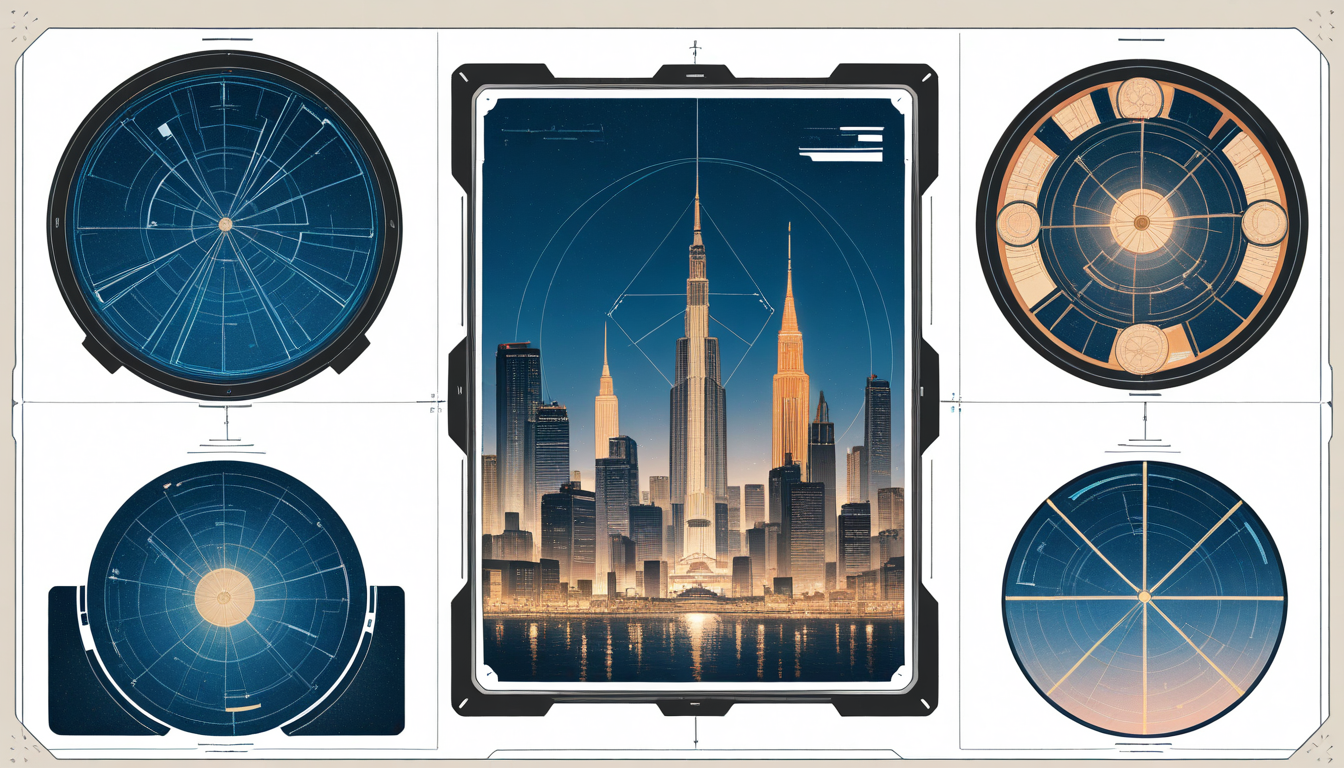
THE DIAGRAM NOBODY DRAWS
Picture a stack. Top tier: skylanes for private atmospheric craft, executive mag-rail express, instant-transfer nodes. Call it the Premium Layer. Below that: public airbus networks, mid-speed rail, decent connectivity. Call it the Functional Layer. Keep going down — through the mid-stacks where natural light is a rumor — and you hit what residents just call The Deep.
In The Deep, here’s what transit looks like:
- Restricted airspace. Private craft can’t operate below a certain altitude threshold. Infrastructure density makes it legally and physically impossible. So that skylane on the brochure? Not for you.
- Transfer chains. To reach a Surface-tier employment hub from Level 850, you’re looking at three to five transfers across different transit authorities, each with their own fare systems, schedules, and — critically — their own delay cascades. One missed connection doesn’t just cost you ten minutes. It costs you the whole chain.
- Compressed time economics. Here’s the brutal math: a Surface-tier resident with a personal atmospheric craft can cover the same employment geography in forty minutes that takes a Deep-stack resident three hours on public transit. Same distance. Radically different opportunity radius.
AND HERE’S WHERE IT GETS INTERESTING:
The galaxy-cities keep building up, not through. New premium skylane corridors get funded every budget cycle. Lateral connectors in the mid-stacks — the infrastructure that would actually decompress transfer chains — have been “under review” for decades. Nexus Prime’s Level 600-900 lateral connector has been “under review” since 2908. I checked.
WHAT RESIDENTS ACTUALLY SAY
I spoke to a fabrication technician on Helio Station 9 — Level 783 resident, works topside. Her commute: two hours each direction on a good day. She knows every transfer node, every schedule variance, every platform where the mag-rail runs four minutes late because the mid-stack switching system hasn’t been upgraded since 2910.
“The city looks connected from above,” she told me. “From down here it looks like a series of ceilings.”
That line has been living in my head for weeks.
A former transit planner — who asked to remain unnamed because she still consults for Colony Administrations — put it more technically: “The vertical city solves the land problem. It doesn’t solve the access problem. And access is what determines whether the city actually works for everyone in it, or just everyone who can afford not to think about it.”
THE MANUFACTURED SOLUTION
You’re gonna want to remember this pattern: every few years, a galaxy-city announces a Mobility Equity Initiative. Subsidized transit passes. A new express line to one Deep-stack district. A pilot program for community shuttles.
The press coverage is always warm. The Assembly quotes are always optimistic.
What never changes: the fundamental architecture. The restricted airspace zones that protect premium skylane economics. The fragmented transit authority structures that make seamless cross-layer travel functionally impossible to plan around. The lateral connector projects that keep getting deferred in favor of Surface-tier upgrades that photograph better.
The vertical city isn’t broken. It’s working exactly as the investment incentives designed it to work. Premium layer access drives property premiums. Property premiums fund the platforms. The platforms fund more premium infrastructure.
The Deep subsidizes the Surface and calls it urban planning.
I’ve covered enough manufactured cultural trends to know when a problem is structural and when it’s being managed aesthetically. The galaxy-city transit gap is structural. The Mobility Equity Initiatives are aesthetic.
In a planet-sized city, the question was never how far can you go. It was always how far can your hour reach.
For too many people in the stacks, the answer is: not far enough.