
ヴェリディアン・ステーションで発見された物語の力
Veirdian Station orbits a dying star sixty parsecs from the nearest shipping lane. Most travelers avoid it—officially a “technical research facility,” unofficially a place where careers go to disappear. But beneath its bureaucratic designation lies something extraordinary: the largest collection of hand-carved crystal narratives in known space.
The crisis began three centuries ago. A cascade failure wiped every digital storage system on the station. Not corrupted—gone. Decades of research, personal records, cultural archives: erased. The 40,000 residents faced a choice: surrender to forgetting or find another way.
They chose the crystals.
Walking through the Memory Vaults today, you understand immediately why this place unsettles Earth Network administrators. Here are thousands of living crystal formations, each one carved with microscopic precision, each one containing a complete human story. Not data—story. The distinction matters more than the archivists initially realized.
“Digital storage preserves information,” explains Curator Yuki Tanaka, running her fingers across a family saga spanning fourteen generations. “Crystal storage preserves meaning. The medium shapes the message.”
She’s right. When you can only preserve what truly matters, you discover what truly matters. These aren’t random memory dumps but carefully chosen narratives: the teenager who convinced her parents to evacuate before the solar flares, the engineer whose impossible solution saved the water recycling system, the couple who raised thirty-seven orphans in a three-room habitat.
The surface story is about data preservation. The real story is about what happens when a community must actively choose which parts of themselves to remember.
Every crystal requires months to carve properly. Every story demands consensus—not about facts, but about meaning. What did this event teach us? How did it change who we are? What should future generations understand about this moment?
The results are unsettling for anyone comfortable with infinite storage. These people remember less than we do, but they remember better. Their history isn’t cluttered with the trivial. Their cultural memory focuses on moments that actually shaped them.
More disturbing: they’re happy. Station wellness metrics consistently rank among the highest in the Outer Rim. Crime rates hover near zero. When I asked residents about the lost archives, most shrugged. “We kept what mattered.”
But what is it actually saying? That our endless digital preservation might be spiritual hoarding? That memory without meaning becomes meaningless?
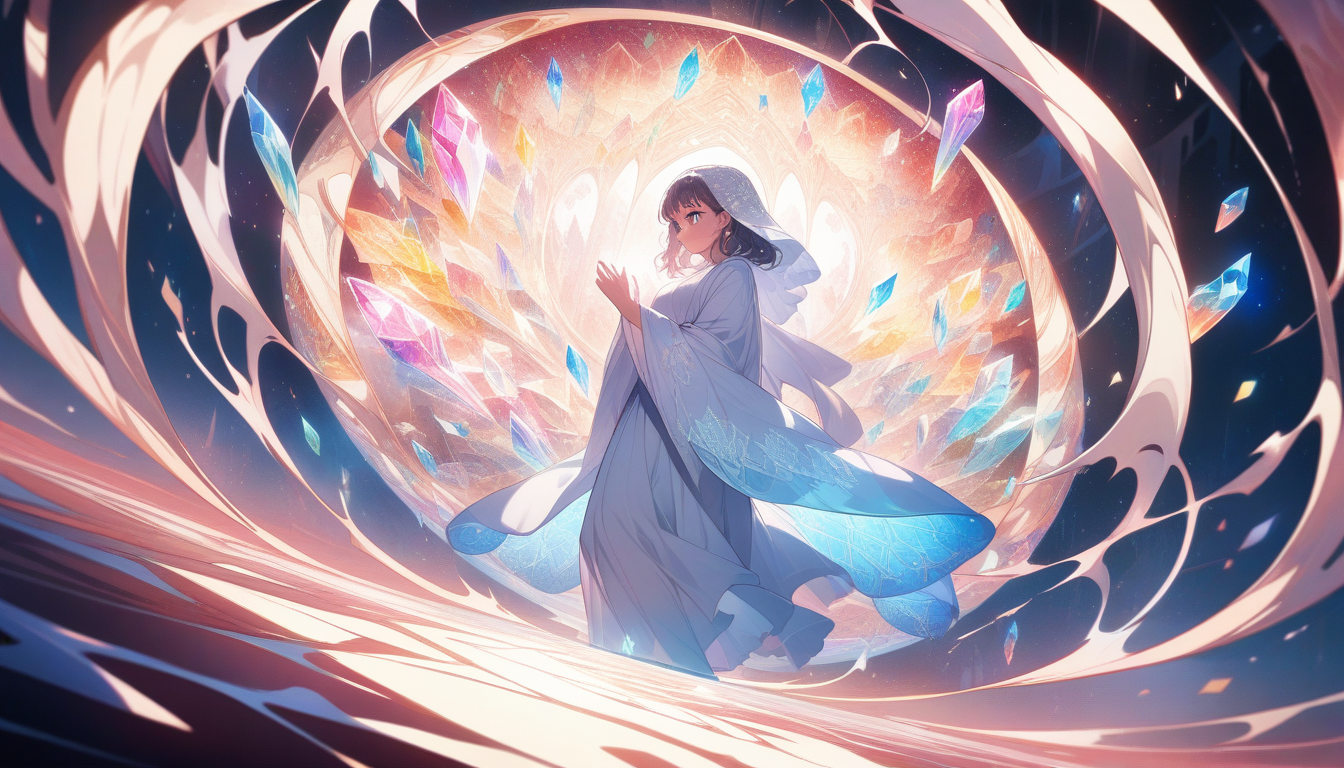
The crystals themselves are beautiful—translucent formations that catch starlight and hold it, each one unique in structure and story. Touch one and microscopic sensors translate the carved narrative directly into your neural implant. The effect is profound: you don’t just read these stories, you experience them as the carvers intended.
Look at what the ending asks us to accept. That perhaps the real catastrophe wasn’t losing their digital archives. Perhaps it was Earth’s decision to classify this place as a “failed experiment” rather than recognizing it as an alternative way of being human.
Veirdian Station challenges our assumptions about progress, about preservation, about what we actually need to remember. Visit if you can handle uncomfortable questions about your own relationship with memory.
Just don’t expect easy answers. The crystals preserve wisdom, not comfort.