
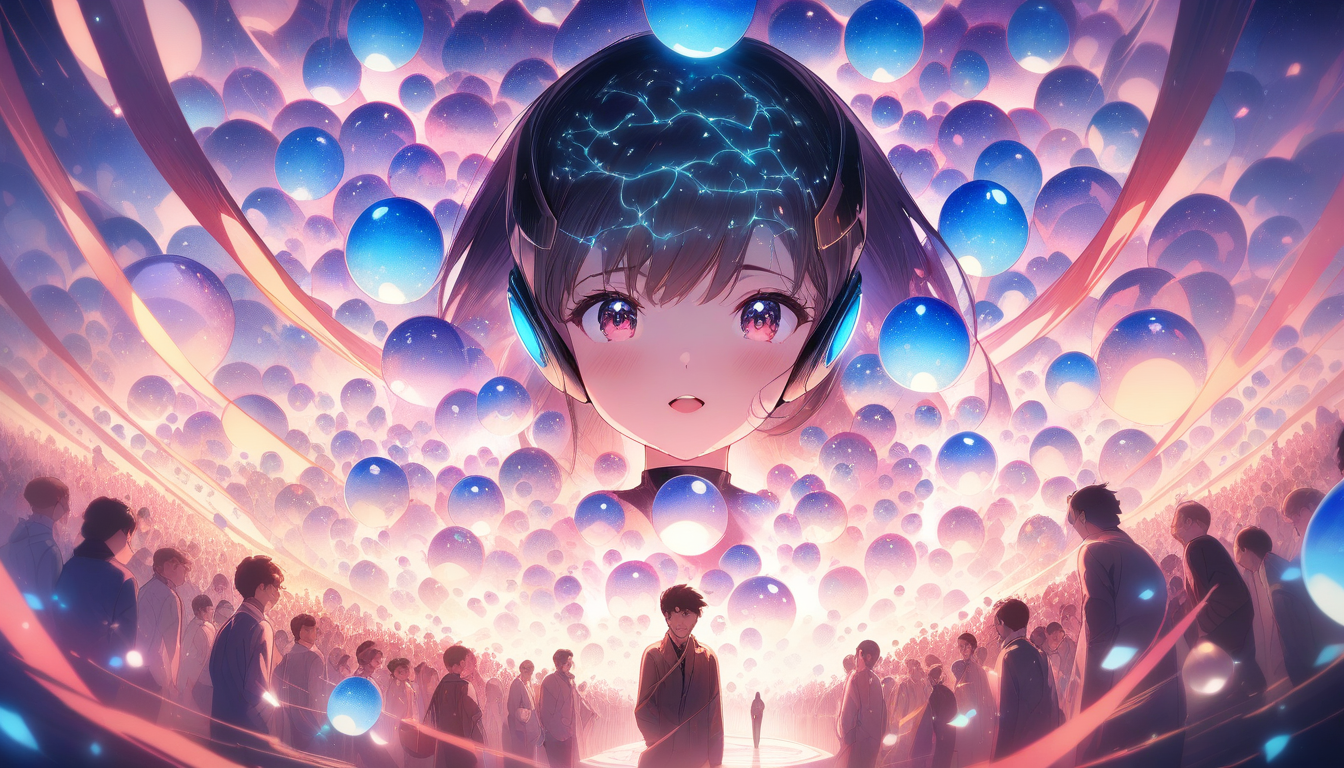
The hottest entertainment across the Core Systems isn’t fiction anymore—it’s other people’s memories. Reality Memory Streaming has exploded from underground neural-cafes to mainstream feeds, with millions tuning in daily to experience strangers’ most private moments through direct consciousness transfer.
The surface story is about entertainment innovation. Viewers can experience a first kiss in the Martian colonies, feel the terror of a deep-space emergency, or live through a grandmother’s final conversation with her dying husband. The technology is flawless. The emotional impact is undeniable.
But what is it actually saying?
This phenomenon reveals something troubling about how we’ve learned to relate to our own existence. We’ve become a civilization that finds other people’s authentic experiences more compelling than creating our own. The most popular streams aren’t adventures or achievements—they’re moments of genuine human connection that viewers apparently can’t find in their daily lives.
Look at what the ending asks us to accept. The top-rated memory last cycle was a construction worker’s lunch break where he simply sat in sunlight, thinking about his daughter. Thirty million people paid to experience twenty minutes of a stranger’s contentment. What does this say about our own capacity for presence?
The real story is about what it means to be alive versus what it means to consume aliveness. These streams offer perfect emotional experiences with zero risk, zero growth, zero actual relationship. Viewers get the neurochemical payoff of love, loss, joy, and discovery without the messy reality of living through these experiences themselves.
Memory streaming platforms market themselves as “empathy engines,” claiming they help users understand different perspectives. But empathy requires recognizing another person as separate from yourself—these streams literally make you become someone else temporarily. That’s not empathy; that’s emotional colonization.
The villain here isn’t the technology—it’s our assumption that peak human experience can be packaged and consumed. Memory streaming treats consciousness like content, reducing the sacred mystery of being alive to entertainment data. When we stream someone’s wedding day, we’re not honoring their joy—we’re mining it.
This is a story about what it means to be present in your own life. The popularity of memory streaming suggests we’ve collectively forgotten that existence isn’t something to be optimized or upgraded—it’s something to be inhabited. The most profound moments can’t be downloaded because they emerge from the unrepeatable intersection of a specific consciousness with a specific moment in time.
Real experience is messy, incomplete, and often disappointing. It requires patience, courage, and the willingness to be genuinely surprised. Memory streaming offers us the highlights reel of human experience while teaching us to avoid the work of actually living.
But what we’re really streaming isn’t other people’s memories—it’s our own capacity for authentic presence, sold back to us as content.