
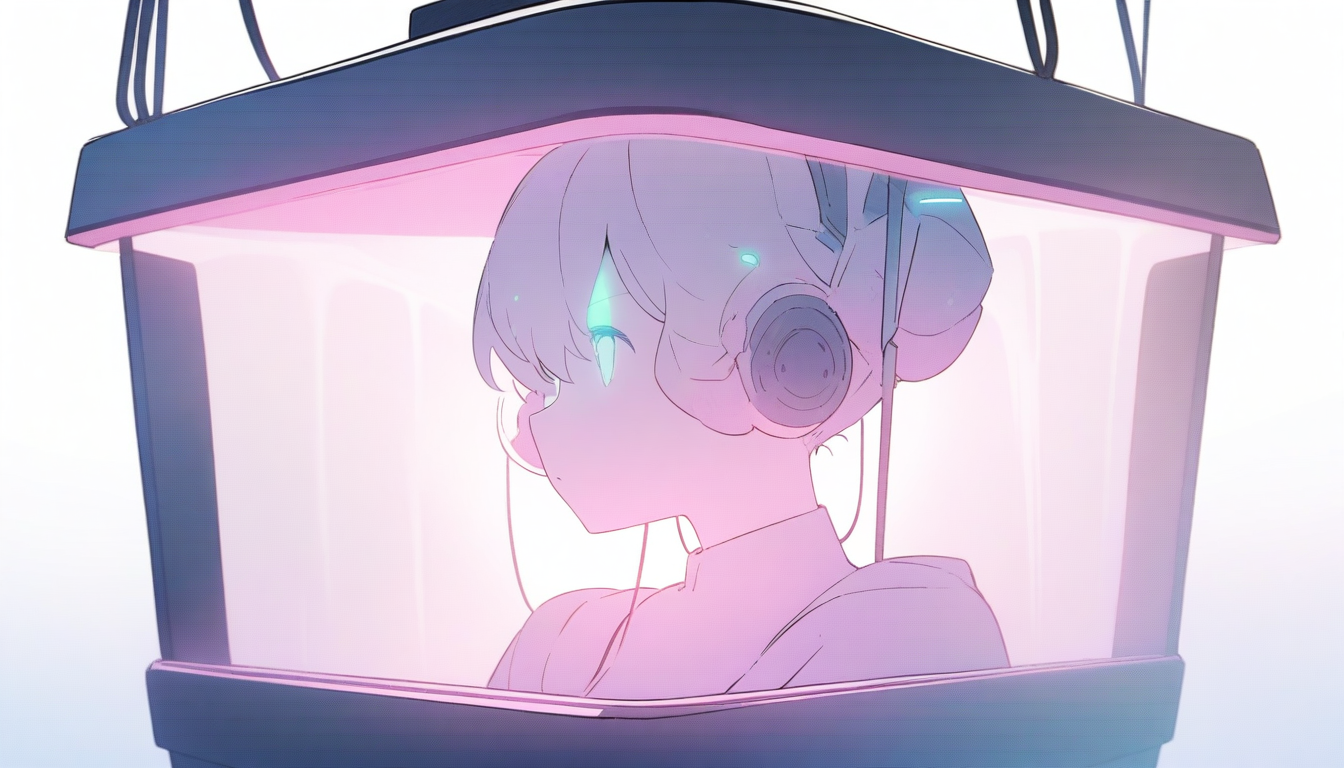
Okay, here’s the thing nobody’s telling you about Memory-Share Karaoke—it’s not actually about singing.
Sure, the booths look like upgraded karaoke pods. You step inside, plug into the neural-feed, and suddenly you’re belting out songs while experiencing someone else’s actual memories. First heartbreak on Titan Station? Check. Wedding day during the Solar Flare of 2894? Double check. The rush of performing on stage at the legendary Jupiter Blues Festival? Now THAT’S a premium experience package.
But let me show you how this actually works, because the entertainment industry press is missing the bigger picture.
The Memory Market Economy
Memory-Share isn’t entertainment—it’s the ultimate commodification of human experience. Those “authentic life moments” you’re singing through? They’re harvested from real people who sold their memories to Stellar Entertainment Corp for a quick credit infusion.
HERE’S where it gets interesting: the most popular memory packages aren’t the happy ones. Users are paying premium rates for experiences of loss, failure, and heartbreak. Why? Because those emotions are getting harder to access naturally in our sanitized colony environments.
What The Underground Knows
I’ve been tracking this phenomenon since the first bootleg memory-booths appeared in the Asteroid Belt’s underground clubs. The real innovation isn’t the technology—we’ve had memory recording for decades. It’s the social aspect.
People are using Memory-Share sessions to process collective trauma. That hugely popular “Last Day on Old Mars” experience package? It’s become a ritual for processing the colony evacuation grief that the official therapy programs couldn’t touch.
The Corporate Angle Nobody Mentions
Stellar Entertainment’s stock has tripled since Memory-Share launched, but their real play isn’t the booth rentals. They’re building the galaxy’s largest database of human emotional experiences. Every session gets recorded, analyzed, and fed into their behavioral prediction algorithms.
Think about it: they know exactly how you respond to loss, joy, nostalgia, and desire—because they literally watched you experience someone else’s versions of these emotions.
Why This Matters Right Now
The Earth Unified Council is drafting “memory rights” legislation, but the industry is moving faster than regulation. Three major colonies have already banned Memory-Share entirely, calling it “emotional exploitation.”
Meanwhile, kids on the frontier settlements are organizing “memory swaps”—trading their own experiences directly, cutting out the corporate middleman entirely.
You’re gonna want to remember this moment, because we’re watching the birth of either the most intimate art form ever created, or the most invasive surveillance system in galactic history.
Maybe both.
Next week: Why the Mercury Underground is boycotting synthetic emotions